Common Painting Myths Debunked: What Every Homeowner Should Know


Introduction to Painting Myths
Painting your home can be a daunting task, especially with the numerous myths surrounding the process. These misconceptions can lead to confusion and poor decisions. In this post, we'll debunk some common painting myths to help you achieve the best results for your home.
Myth 1: Dark Colors Make a Room Feel Smaller
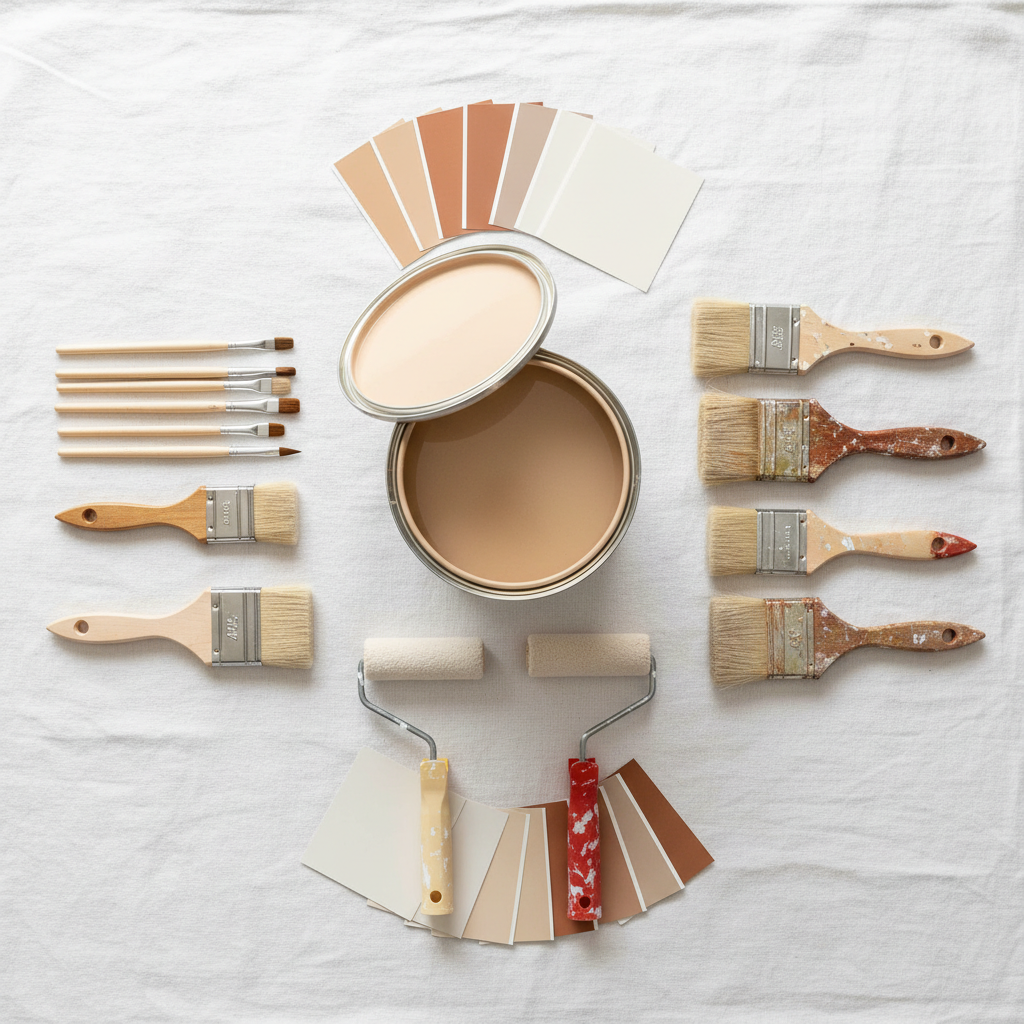
Many homeowners avoid using dark colors, fearing they'll make a room feel cramped. In reality, the effect of a color depends more on lighting and room decor. Dark colors can add depth and coziness when used correctly, especially in well-lit spaces.
To prevent a room from feeling small, consider using strategic lighting and contrasting elements like light-colored furniture or decor. This balance can create an inviting atmosphere without sacrificing style.
Myth 2: You Don’t Need Primer
Skipping primer is a mistake that can lead to uneven finishes and poor paint adhesion. Primer is essential for preparing surfaces, particularly if you're painting over a darker color or a porous material like drywall. It ensures that the topcoat adheres properly, resulting in a longer-lasting finish.

Benefits of Using Primer
- Improves paint adhesion
- Provides a uniform surface
- Enhances the durability of the paint job
Myth 3: You Can Paint Over Wallpaper
Painting directly over wallpaper might seem like a time-saver, but it's not recommended. The moisture from the paint can cause the wallpaper to peel, leading to a messy and uneven surface. It's best to remove the wallpaper entirely before painting to ensure a smooth, professional finish.

If removing wallpaper isn't feasible, consider using a special primer designed to seal the wallpaper. This extra step can help prevent peeling and ensure a more even application.
Myth 4: More Coats Mean Better Coverage
While multiple coats can be necessary for complete coverage, simply adding more layers isn't always the solution. The quality of the paint and proper application techniques play a crucial role in achieving a smooth finish. Investing in high-quality paint often reduces the need for multiple coats.
Tips for Effective Coverage
- Choose the right roller or brush for your surface.
- Apply paint in thin, even layers.
- Allow adequate drying time between coats.
Conclusion: Painting with Confidence
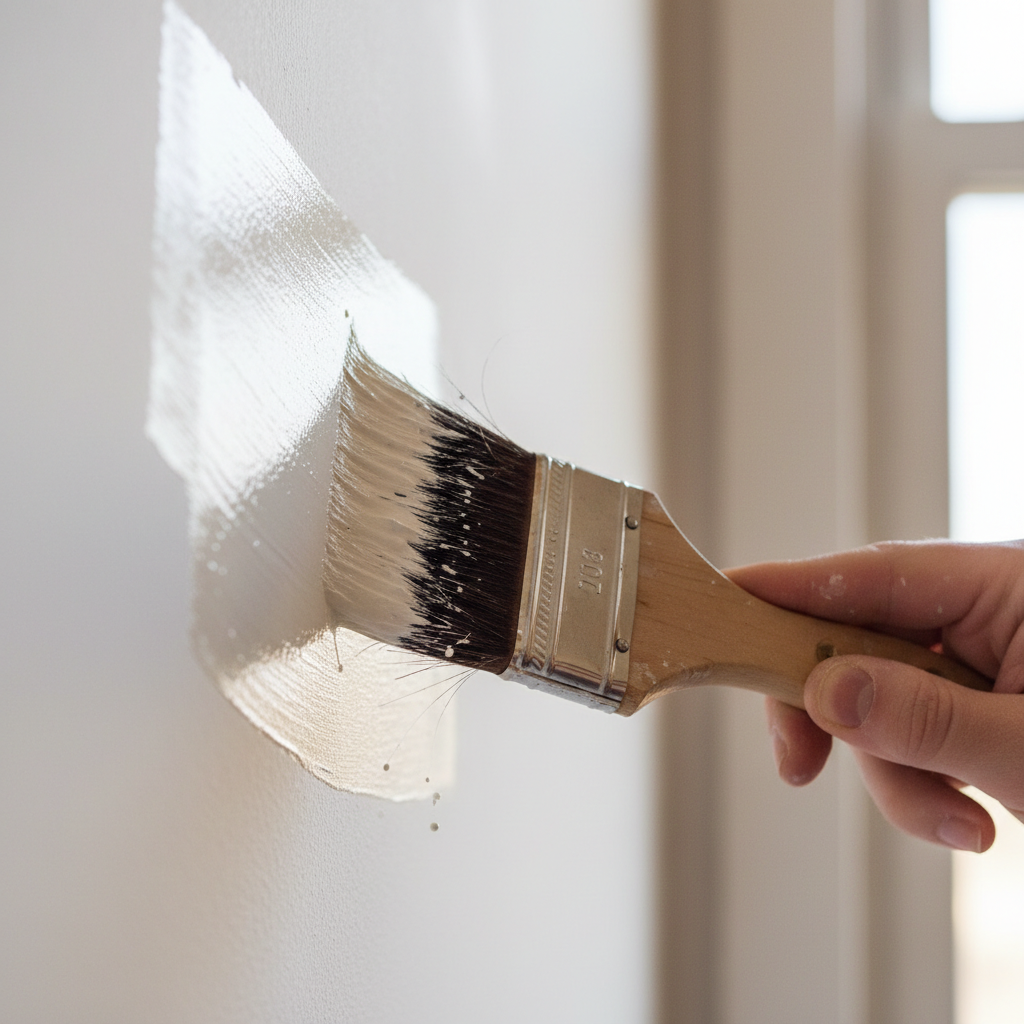
Understanding the truth behind these painting myths can empower you to make informed decisions and achieve the best results for your home. By debunking these misconceptions, you're better equipped to tackle your next painting project with confidence. Remember, preparation and quality materials are key to a successful paint job.