Common Painting Mistakes and How to Avoid Them: Insights from Toronto Experts


Understanding Common Painting Mistakes
Painting a room or a piece of furniture can completely transform a space, but it can also lead to frustration if not done correctly. Many people make common mistakes that can be easily avoided with a little knowledge and preparation. Here, we’ll share insights from Toronto painting experts to help you achieve a flawless finish.
Skipping Surface Preparation
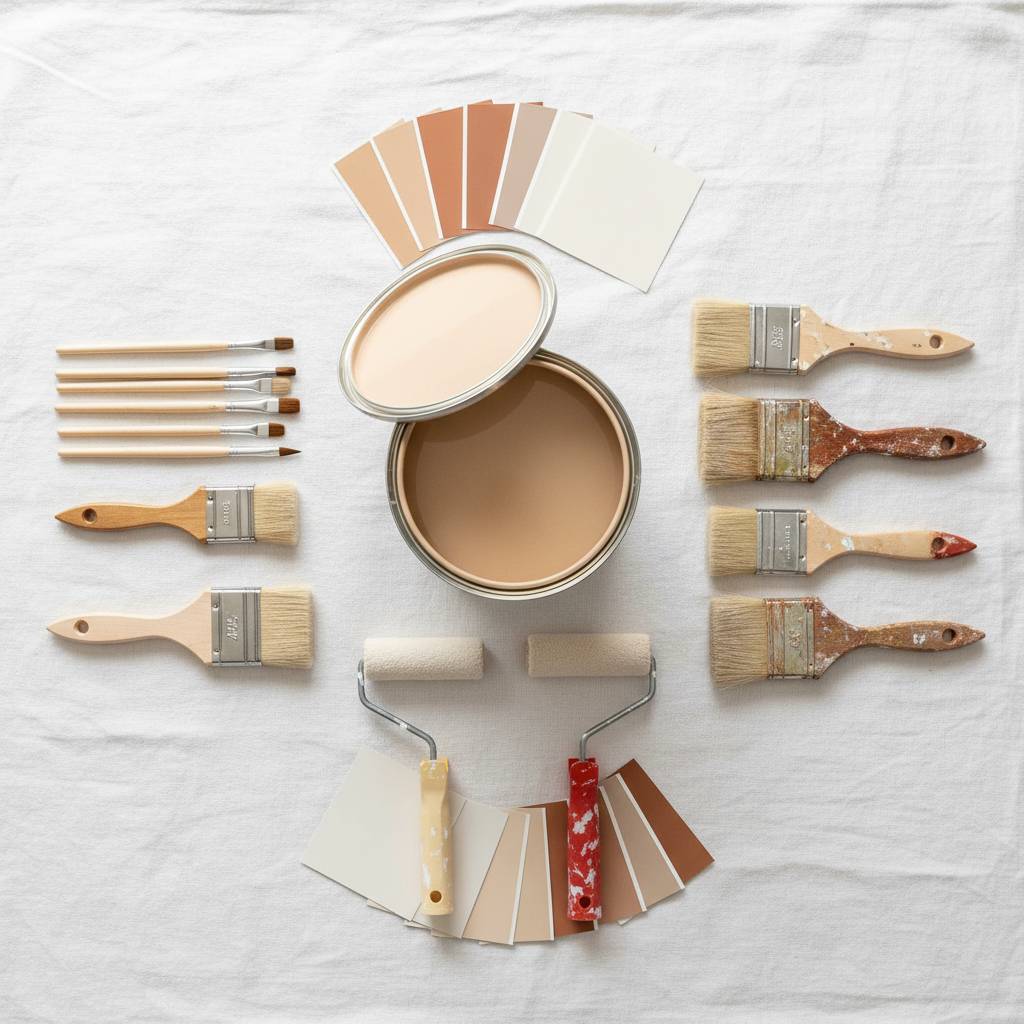
One of the most frequent mistakes is neglecting proper surface preparation. This can lead to uneven paint application and peeling. Before you start painting, it’s crucial to clean the surface thoroughly, repair any damage, and sand it to ensure a smooth finish. Preparation is key to achieving a professional look.
Here’s a quick checklist to help you prepare:
- Clean the surface with soap and water.
- Repair holes and cracks with filler.
- Sand the surface to remove imperfections.
- Apply a primer to ensure even paint adhesion.
Choosing the Wrong Paint
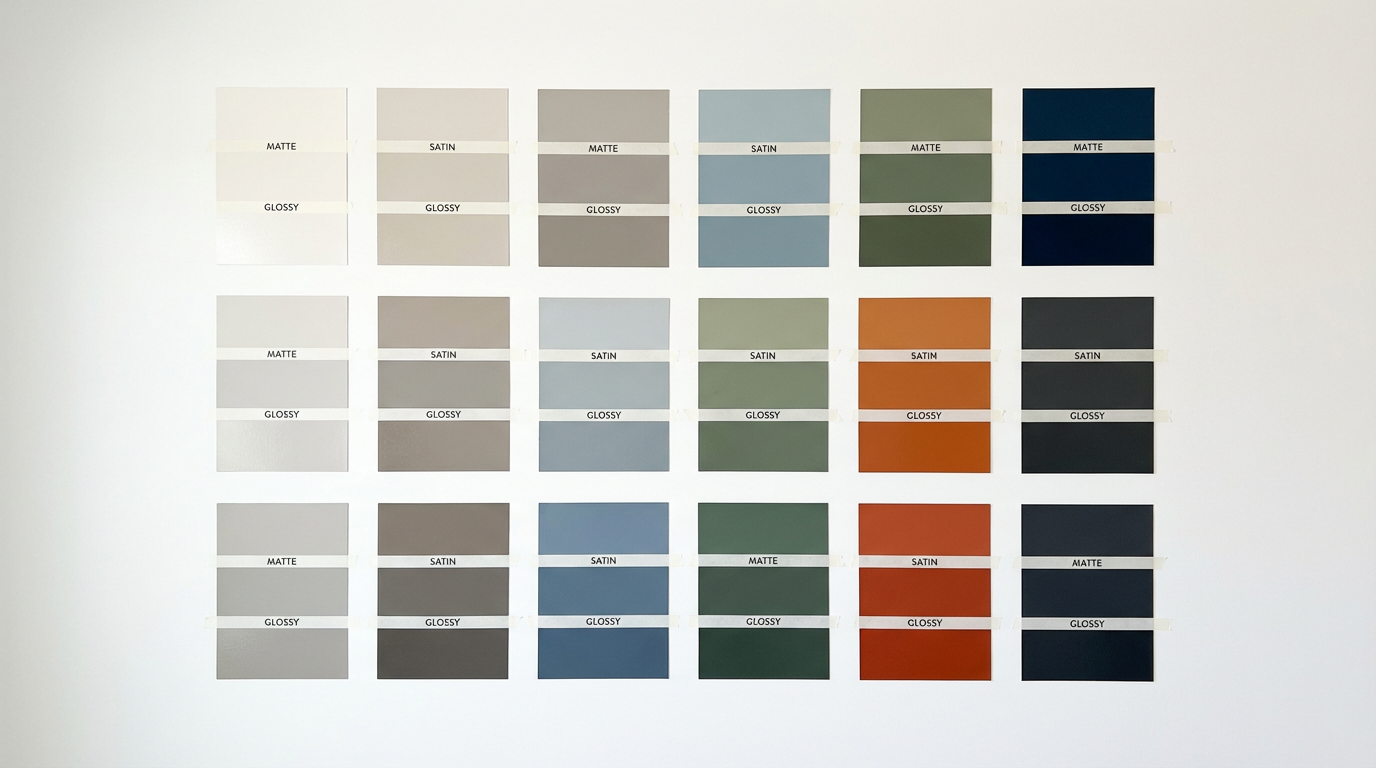
Another common error is selecting the wrong type of paint for the job. Different surfaces and rooms require different paints. For example, kitchens and bathrooms benefit from moisture-resistant paint, while living areas may need a durable, washable finish. Consulting with a paint specialist can help you make the right choice.
Using Inadequate Tools
The tools you use can significantly impact the final result. Using low-quality brushes or rollers can lead to streaks and uneven coverage. Investing in high-quality tools will not only make the job easier but also enhance the quality of the finish.
Consider these tips when selecting painting tools:
- Choose a brush with the appropriate bristle type for your paint.
- Use a roller with the right nap for your surface texture.
- Keep tools clean and in good condition for best results.
Overloading the Brush or Roller
Applying too much paint at once is a mistake that can cause drips and a mess. It’s important to load your brush or roller with the right amount of paint to ensure an even application. Experts suggest applying paint in thin layers and building up coverage gradually.
Ignoring Environmental Conditions
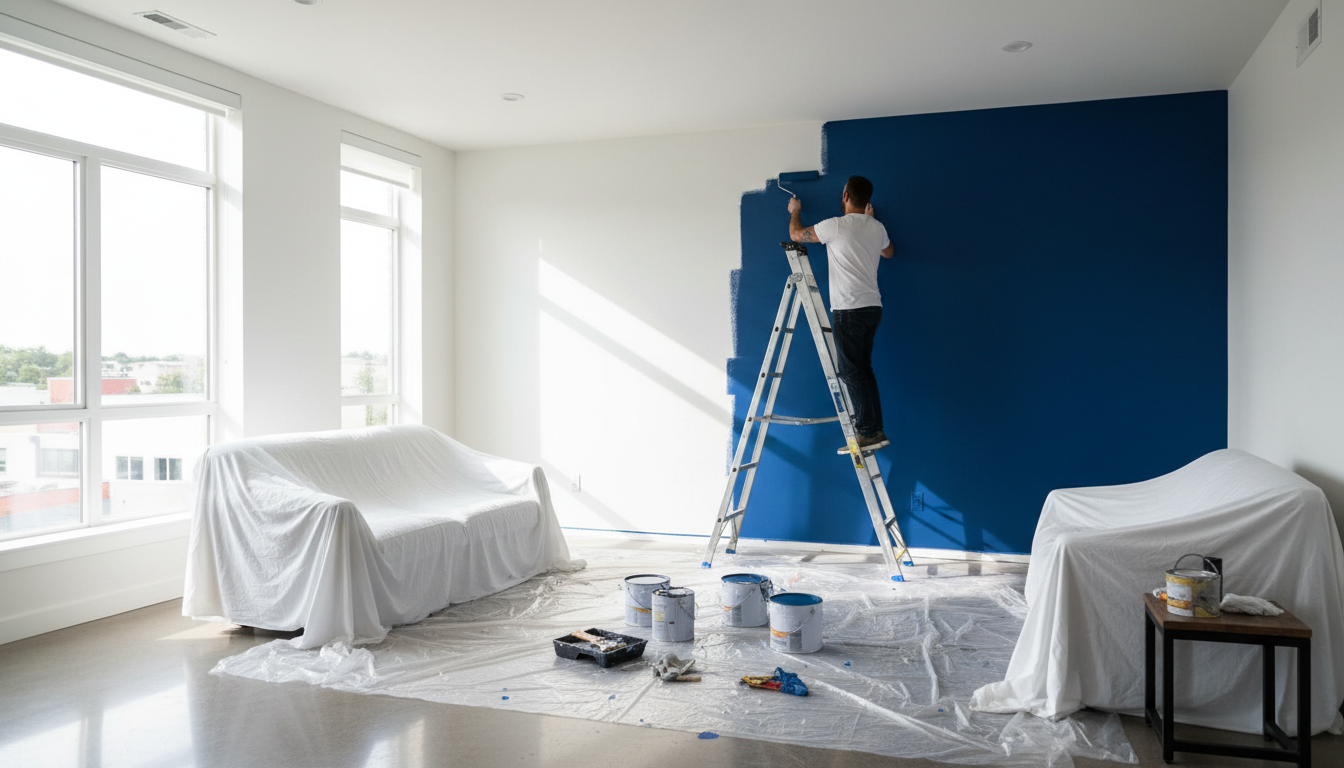
Temperature and humidity levels can affect how paint dries. For instance, painting in high humidity can lead to longer drying times and a sticky finish. It’s best to paint in moderate conditions and follow the manufacturer’s recommendations regarding drying times.
Conclusion
Painting doesn’t have to be a daunting task. By avoiding these common mistakes and following expert advice, you can achieve a beautiful, professional-looking result. Remember, the key to success is in the preparation and attention to detail. Happy painting!