Common Myths About Drywall Repairs Debunked


Understanding Drywall Repair Myths
Drywall is an essential component of modern homes, offering a smooth, clean finish to walls and ceilings. Despite its widespread use, numerous myths about drywall repairs persist, leading many homeowners to make costly mistakes. In this post, we'll debunk some of the most common misconceptions about drywall repairs.
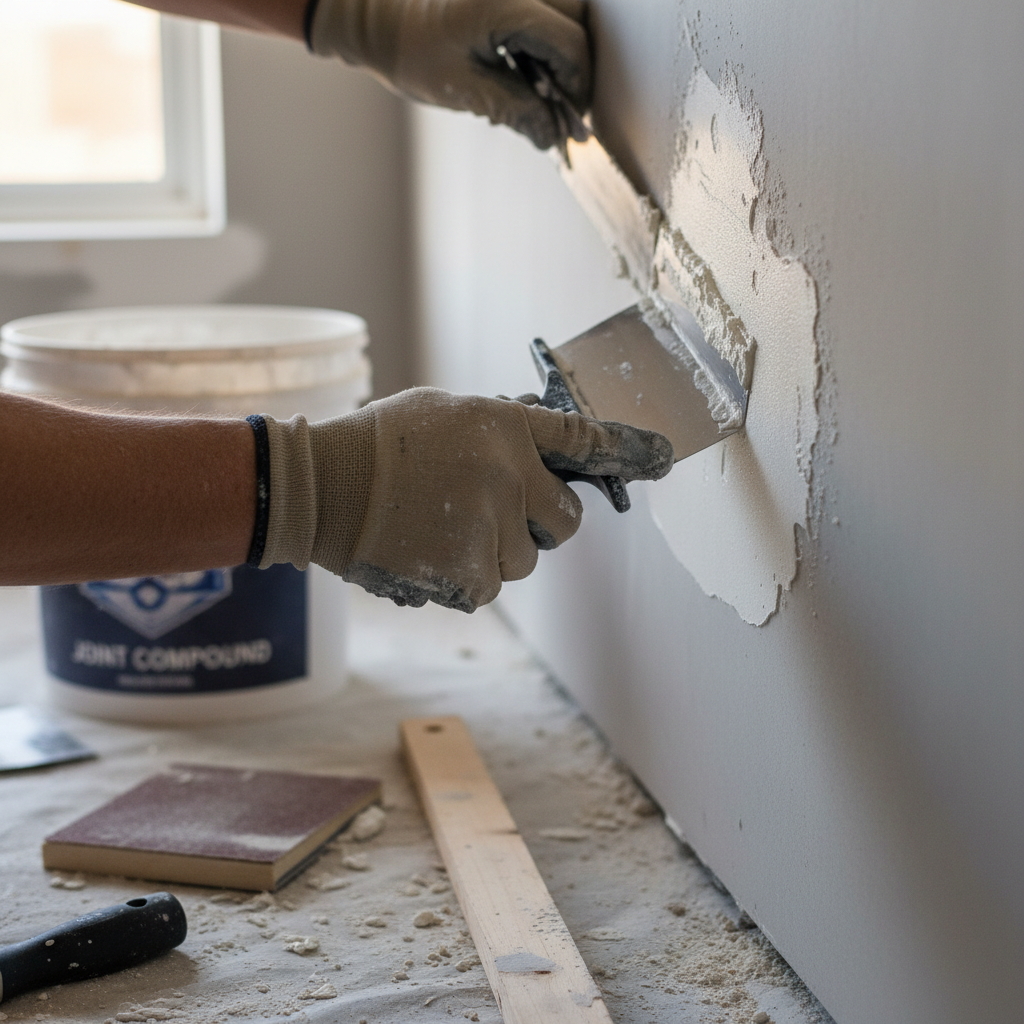
Myth 1: Small Cracks Don't Need Repair
One common belief is that small cracks in drywall are harmless and don't require any attention. However, even minor cracks can expand over time, leading to more significant issues. Addressing small cracks early can prevent further damage and save money in the long run.
Small cracks often indicate underlying issues, such as settling foundations or humidity changes. Ignoring these can lead to more extensive repairs down the line. It's always a good idea to inspect and repair even the tiniest cracks promptly.
Myth 2: DIY Repairs Are Always Cheaper
While many homeowners attempt to repair drywall themselves to save money, this isn't always the most cost-effective option. Improper DIY repairs can lead to uneven surfaces, visible seams, and even structural problems.
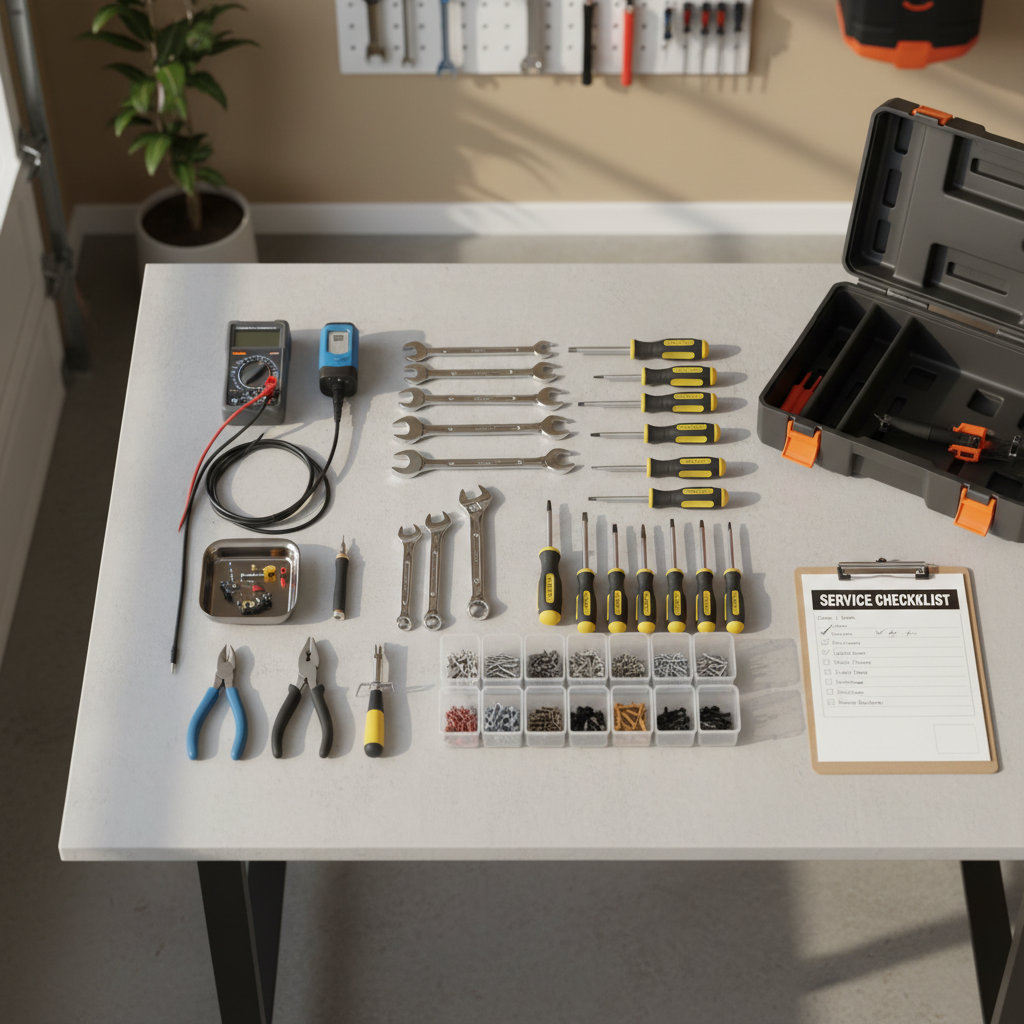
Hiring a professional ensures that repairs are done correctly the first time, often saving you time and money. Professionals have the right tools and expertise to handle drywall repairs efficiently, ensuring a seamless finish.
Myth 3: All Drywall Is the Same
Another misconception is that all drywall is identical. In reality, there are various types of drywall, each designed for specific applications. For instance, moisture-resistant drywall is ideal for bathrooms, while fire-resistant options are suitable for garages.
- Regular drywall: Standard for most interior walls.
- Moisture-resistant drywall: Perfect for high-humidity areas.
- Fire-resistant drywall: Used in areas requiring enhanced fire safety.
Understanding the differences can help in selecting the right kind of drywall for repairs, ensuring durability and longevity.
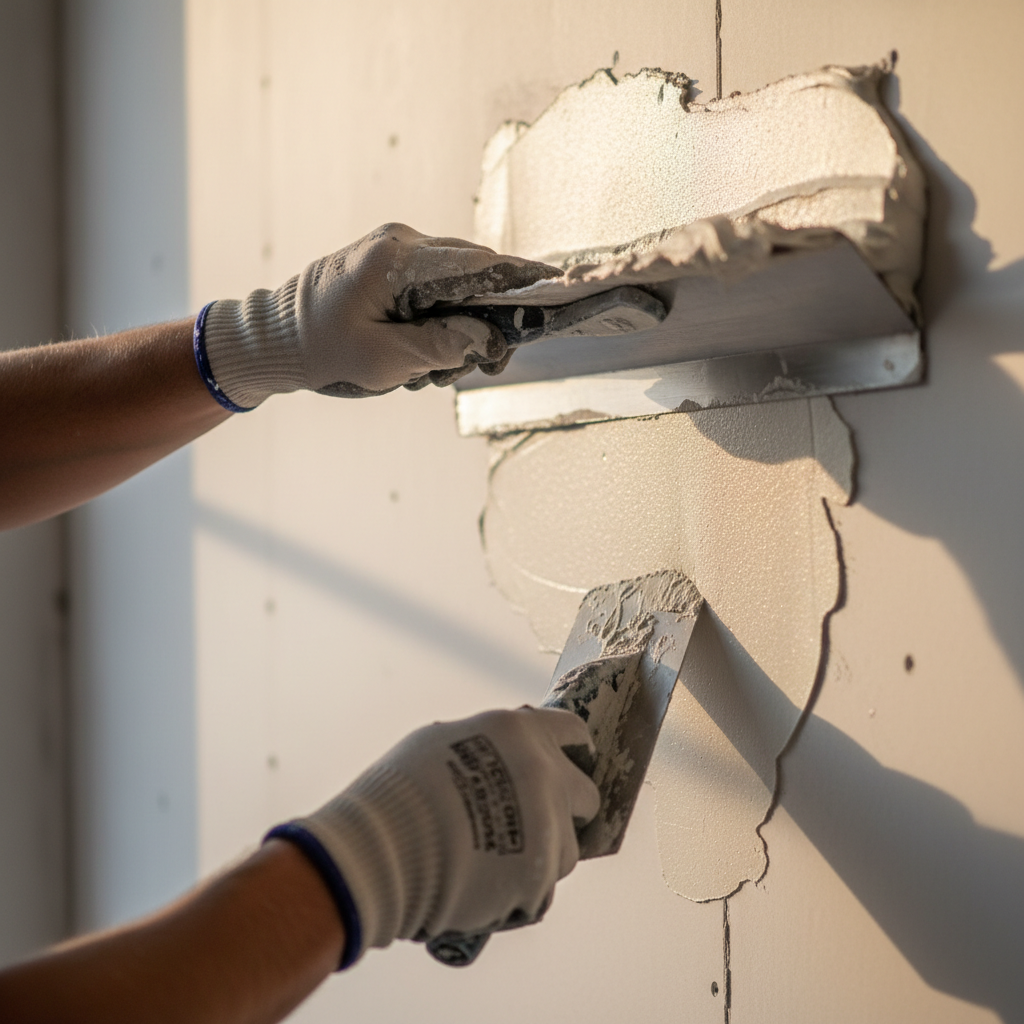
Myth 4: You Can Paint Over Damaged Drywall
Some believe that painting over damaged drywall is a quick fix. However, paint cannot hide imperfections like cracks, holes, or dents. Proper preparation is crucial before painting.
Repairing the damage first ensures a smooth, even finish. Sanding, priming, and then painting will give your walls a professional look, free from blemishes or visible repairs.
The Importance of Professional Assessment
While some minor repairs can be managed with a DIY approach, it's often beneficial to consult with a professional for an assessment. A trained eye can catch potential issues that might be overlooked by an untrained individual.
By debunking these common myths, homeowners can make more informed decisions about drywall repairs, ensuring the longevity and aesthetic appeal of their homes. Remember, proper maintenance and timely repairs are key to preserving your investment.